The Pharmacy Show is sponsored by the pharmaceutical and med tech industries via Grants, Sponsorship, and Exhibition packages. Pharmaceutical companies have solely provided sponsorship through the purchase of exhibition space and/or sponsored speaker sessions with no further input into the arrangements or agenda of the meeting. Sessions delivered with input from our sponsors will always be marked on the programme. A full list of confirmed sponsors for the Pharmacy Show is available here.
This session will cover:
A concise update on ear assessment and otoscopy, reviewing key ear anatomy and what to look for when examining the tympanic membrane in patients with suspected ear infection.
Practical guidance on assessing patients with ear pain, including recognising common features of acute otitis media and identifying important red flags that require referral.
An overview of management options in primary care, including how the Pharmacy First service can be used to support safe assessment and management of acute otitis media.
AI is not the challenge. The challenge is understanding who remains responsible when AI increasingly influences professional decisions. The PDA's Professional-in-the-Loop approach provides a practical framework for ensuring that technology supports professional practice without replacing professional accountability.
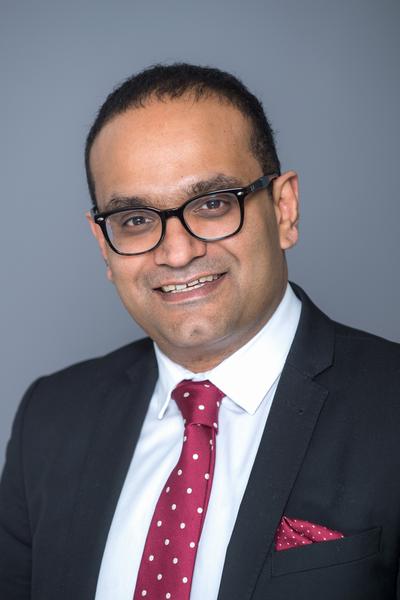
This session explores how community pharmacies can move beyond traditional dispensing by developing clinically valuable services through point-of-care testing. Using Pelican Pharmacy as a real-world case study, Rahul Kamal Raj will share the practical considerations involved in introducing POCT into a busy pharmacy environment, including team confidence, training, workflow, patient engagement and ongoing technical support. The session will also highlight the importance of choosing the right diagnostic partner, showing how BHR Biosynex has supported Pelican Pharmacy beyond equipment supply to help turn POCT into a practical and sustainable clinical service.
Evelyn Liddell will be presenting the findings of an independent global review on arnica. Evidence of the use of Arnica in comparison to NSAID's is shared. Evidence of when and where Arnica may be useful is revealed.
Aesthetics is one of the fastest-growing sectors in UK healthcare — and one of the least regulated, until now. This session cuts through the noise to give pharmacists and business professionals a clear-eyed view of the training landscape, the clinical risks that demand preparation before the first patient, and the business fundamentals that determine whether a clinic thrives or stalls. You'll leave with a realistic picture of what the new licensing framework requires, why pharmacists are better positioned than most to meet that bar, and three concrete actions to take immediately.
With the publication of the 10 year cancer plan, cancer delivery and access will change over time with certain cancer activity shifting from hospitals into the community settings. This session covers the NG12 symptoms for cancer recognition and earlier referral. It covers the impact of cancer service redesign and what this means for pharmacists with emerging new models of care. It also covers what pharmacists in primary care can expect to see changing as well as community and hospital pharmacists.
As demand for medication support continues to rise, community pharmacies need sustainable alternatives to traditional dosette box services. This session explores how outsourced dispensing, automation and pouch-based medication solutions can help pharmacies improve efficiency, support better medication adherence and release capacity for more clinical care. Drawing on extensive experience in pharmacy and automated dispensing, Peter Thnoia will share practical insights into modernising medication support while delivering better outcomes for patients and pharmacies alike.
The national service replaces a patchwork of local provision with consistent, accessible pharmacy-based contraception care while reducing postcode barriers. It has delivered 2.295 million+ consultations, including 530,000+ emergency contraception consultations; around 80% of pharmacy contractors participate. The opportunity now is to increase awareness and better connect emergency access with ongoing contraception and to broaden women’s health services.
A practical, owner-focused session drawn from real experience of launching two independent prescribing clinics. Brijesh walks through the journey from IP qualification to menopause and TRT services running across four pharmacies: clinical training, expanding scope of practice, SOPs and risk assessments, consultation and monitoring pathways, remote video consultations, set-up costs and pricing. He shows how a first clinic creates the infrastructure that makes the second faster and cheaper to launch, what the services have delivered for patients and the business, and the lessons he would pass on to anyone starting out. The session closes with a getting-started checklist and time for questions.
GLP-1 services present a major opportunity for community pharmacy, but strong demand must be converted into a clinically safe, operationally efficient and commercially sustainable model. The session explains the key drivers of viability, including appropriate patient selection, pricing, consultation design, workflows, follow-up, retention and governance. It explores how pharmacies can balance financial performance with high-quality care, while developing capable teams and scalable processes. Attendees will leave with practical actions to strengthen service delivery, improve patient outcomes and build a model that supports sustainable revenue growth at scale, without compromising clinical standards, patient experience or the long-term resilience of the service.
Cancer is no longer an acute condition that belongs in a hospital. It is being detected, treated and managed as a chronic condition, with increasing survival rates and changing care models. What role does pharmacy play now and in future? How do we prepare for this? This session provides a summary of cancer care in from detection through to survivorship and explores how community pharmacy is playing an increasing role in its delivery.
Modern Community Pharmacy Practice is a movement to support you in creating and realising your vision for a more profitable pharmacy business. From Vision to Profit is the strategic business planning model which, by focusing on matters that are in your control, will enable you to put in place the required actions.
This session explores how to unlock the commercial potential of private pharmacy services while maintaining patient safety and regulatory standards. Following the patient journey end to end, we’ll look at how to identify and convert appropriate opportunities, manage risk and build confident teams who can support sustainable growth. The focus is simple: strong commercial performance, delivered safely and responsibly.
Explore the five stages of pharmacy maturity and discover how to move beyond reliance on NHS income towards sustainable, diversified growth. Learn how to benchmark your pharmacy against peers, identify practical steps for progression, and understand how technology can unlock efficiencies, new revenue opportunities and long-term commercial resilience.
The session will explore key considerations for expanding private services, including prescribing services, clinical governance requirements to ensure patient safety and regulatory compliance, as well as indemnity.
A practical discussion exploring the growing role of independent prescribing in community pharmacy, including current opportunities, future potential, and the challenges of expanding clinical practice safely and effectively
Travel health presents a significant opportunity for community pharmacies to diversify their services, meet an important local healthcare need and generate additional private revenue. However, launching a successful clinic requires much more than simply offering vaccinations.
In this session, we will share our experience of setting up, running and growing a successful pharmacy-based travel health clinic. We will discuss the practical journey from developing the initial concept and preparing the pharmacy through to training the team, establishing consultation pathways, selecting services, setting prices and creating safe and efficient operating procedures.
A key focus will be the systems and tools required to manage a busy clinic effectively. This will include online appointment-booking platforms, clinical record-keeping software, digital consent and assessment forms, automated appointment reminders, payment systems, patient communication tools, stock-management processes and methods for managing follow-up doses and complex vaccination schedules.
We will explain how the right digital infrastructure can reduce administrative workload, minimise missed appointments, improve record accuracy and allow the clinic to grow without overwhelming the pharmacy team.
The session will also explore how branding, marketing, patient communication and the overall customer experience can influence the success of a clinic. Attendees will gain insight into the challenges we encountered, the lessons we learned and the strategies that helped us build demand, encourage repeat business and develop travel health into a profitable and sustainable part of our pharmacy.
The session is designed to provide pharmacy owners, managers and healthcare professionals with a realistic and practical framework for unlocking the travel health potential within their own community pharmacy.
Social media has transformed the way healthcare professionals educate, engage and connect with audiences. In this session, Yasir Sacranie, pharmacist, content creator and founder of MicroPharm, shares his journey from clinical pharmacy and university lecturing to building an online pharmacy education business through platforms including TikTok and YouTube Health.
Drawing on his experiences of creating educational content, growing an online community and collaborating with organisations including YouTube Health, Yasir will explore the opportunities and challenges of using social media professionally.
Attendees will gain practical insights into building a personal brand, creating engaging and trustworthy healthcare content, reaching new audiences and turning social media into a sustainable platform for education, professional development and business growth.
Community pharmacy is evolving. While NHS services will remain at the heart of the sector, pharmacy owners increasingly need to consider how they can diversify their businesses, develop new revenue streams and make greater use of the clinical skills, premises and relationships they already have.
This masterclass will encourage contractors to look beyond the traditional dispensing-led model and consider what else their pharmacy could offer.
We will explore the growing opportunities for private healthcare services within community pharmacy, from relatively simple services that can be introduced with limited investment through to more developed clinical service models. Rather than focusing solely on individual services, the session will provide a practical framework for deciding what is right for each pharmacy and its local community.
We will consider how to identify unmet local need, understand your patient demographic, assess competitors and other healthcare provision, and match opportunities with the skills and capacity of your team. We will also look at the commercial considerations behind a successful service, including set-up costs, pricing, margins, utilisation, marketing and creating repeat and cross-service opportunities.
Importantly, launching a service is only the beginning. The session will explore how contractors can embed private services into the day-to-day culture of their pharmacy, engage the whole team, communicate the offer effectively and build patient awareness and trust.
Using practical examples from community pharmacy, attendees will be encouraged to consider the opportunities within their own businesses and leave with actionable ideas for expanding their service offering, diversifying revenue and building a more resilient, service-led pharmacy for the future.
Pharmacy First has transformed the role of community pharmacy, creating new opportunities to improve patient access to care while generating sustainable service income. However, many pharmacies are still failing to reach consultation thresholds despite significant patient demand.
This session will explore the practical steps that high-performing pharmacies are taking to consistently increase Pharmacy First activity. Using national data, real-world case studies, and frontline experience, delegates will learn how to identify gaps in patient capture, improve counter team engagement, strengthen GP referral relationships, and ensure consultations are successfully converted and claimed.
Attendees will leave with a clear understanding of the key drivers of Pharmacy First success and a practical action plan that can be implemented immediately to increase consultations, enhance patient care, and maximise the value of services delivered within their pharmacy.
The session will provide a practical introduction to medical cannabis in UK pharmacy practice and examine the pharmacist’s developing role across different care settings.
It will begin by outlining the distinction between licensed cannabis-based medicines and the unlicensed oils and dried-flower products increasingly encountered in private clinical practice. The session will then consider the legal and regulatory framework surrounding these medicines, including controlled drug prescription requirements, patient choice of pharmacy, access to relevant clinical information and the additional responsibilities associated with supplying unlicensed medicines.
The presentation will explore the contribution of community pharmacists, specialist dispensing pharmacists, clinical pharmacists, pharmacist prescribers and pharmacy leaders. It will cover medicines reconciliation, clinical screening, interactions, patient counselling, monitoring of treatment response and adverse effects, controlled drug governance, information sharing and the identification of concerns requiring specialist review.
Finally, the session will consider opportunities for pharmacists to become more involved in referral pathways, multidisciplinary care, ongoing prescribing within appropriate governance arrangements, service leadership, education, audit and research. The focus throughout will be on helping pharmacists understand both their current professional responsibilities and the wider contribution they can make to safe, informed and patient-centred care.
Introducing a new quality driven service that supports all service users, not just those that are supervised, through digital efficiency, a focus on safety and fairer remuneration.
The session will highlight the contribution of pharmacy professionals working in care homes. It will highlight the impact on medication review, medication safety, appropriate prescribing and polypharmacy, medicines-related problems, person-centred care and use of NHS resources, while reflecting on how the National Pharmacy Care Home Faculty can strengthen professional networks and support the continued development and sustainability of pharmacy services for care home residents.
Our audience is mobile, time-poor and impossible to pin down with traditional channels. LAL Reach gets your content in front of them, on the app they check between shifts. Come and chat to us about a new way to engage HCPs.
Explore how connected systems can simplify pharmacy care, with lessons from the London Pharmacy First Hackathon. Learn what’s next for integrated prescribing and how evolving pharmacy IT could support your team.
The last few years have seen a transformation in vaccination provision from community pharmacy. This session will map out the journey so far, consider how the future will develop, and share examples of successful vaccination services in community pharmacy.
Participants will gain practical knowledge and real-world strategies that can be applied to their own practice, helping them make the most of their clinical skills and the expanding role of the community pharmacist as an independent prescriber.
Dr Andrew Kerr, Pharmacist and Medical Operations Specialist, and Dr Lauren Flynn, Head of Medical Operations, Tandem Health UK&I
Pharmacy First, NMS, hypertension case-finding, contraception: every service you deliver now ends with a record to write, a potential GP referral to send and PharmOutcomes to update, usually while the queue builds at the counter.
In this session, Andrew, a qualified pharmacist, walks through where that documentation burden actually sits in a pharmacist's day and what changes when an AI clinical assistant listens to the consultation instead. You'll see a consultation note drafted in seconds in your own template, transferred to the PMR and PharmOutcomes in one click, with the patient letter and GP referral generated from the same note.
We'll also share how Tandem, already used by more than 10,000 care organisations across Europe and being rolled out to 200,000 NHS clinicians, is building from an AI scribe towards a clinical operating system for pharmacy, and be clear about what is live today and what is still on the roadmap. The talk closes with a live demo and time for your questions.
Diabetes technology is becoming increasingly important as more people are managing their condition with various and multiple technologies. This session will provide an overview of current diabetes technologies, including continuous glucose monitoring (CGM), flash glucose monitoring, insulin pumps and hybrid closed-loop systems. It will explore how these innovations are improving glycaemic outcomes, reducing treatment burden and supporting person-centred diabetes care. The session will also discuss common challenges patients experience in practice, before some horizon scanning of emerging technologies and future developments.
Developing the roles of Pharmacy Technicians and Accuracy Checking Technicians (ACTs) is no longer just an operational advantage; it is a clinical necessity. By delegating final accuracy checks and dispensary management to qualified technicians, pharmacists gain the capacity required to deliver revenue-generating private and NHS clinical services
This session explores why developing good remote consultation skills is important, when remote consultations may not be appropriate, and how to use a practical framework to support safe and effective practice. The session takes attendees through the process from self-assessment to recording CPD and concludes with resources for ongoing development and support.


 This session will cover: A concise update on ear assessment and otoscopy, reviewing key ear anatomy and what to look for when examining the tympanic membrane in patients with suspected ear infection. Practical guidance on assessing patients with ear pain, including recognising common features of acute otitis media and identifying important red flags that require referral. An overview of management options in primary care, including how the Pharmacy First service can be used to support safe assessment and management of acute otitis media.
 This panel event will explore how to be a meaningful ally. Panellists will discuss what allyship is ...
 AI is not the challenge. The challenge is understanding who remains responsible when AI increasingly influences professional decisions. The PDA's Professional-in-the-Loop approach provides a practical framework for ensuring that technology supports professional practice without replacing professional accountability.
 The rapid growth of GLP-1 medicines has transformed obesity treatment, but medication alone is not t ...
 This session explores how community pharmacies can move beyond traditional dispensing by developing clinically valuable services through point-of-care testing. Using Pelican Pharmacy as a real-world case study, Rahul Kamal Raj will share the practical considerations involved in introducing POCT into a busy pharmacy environment, including team confidence, training, workflow, patient engagement and ongoing technical support. The session will also highlight the importance of choosing the right diagnostic partner, showing how BHR Biosynex has supported Pelican Pharmacy beyond equipment supply to help turn POCT into a practical and sustainable clinical service.
 Evelyn Liddell will be presenting the findings of an independent global review on arnica. Evidence of the use of Arnica in comparison to NSAID's is shared. Evidence of when and where Arnica may be useful is revealed.
 The traditional pharmacy career ladder is changing and some of the most exciting opportunities for p ...
 -
 Aesthetics is one of the fastest-growing sectors in UK healthcare — and one of the least regulated, until now. This session cuts through the noise to give pharmacists and business professionals a clear-eyed view of the training landscape, the clinical risks that demand preparation before the first patient, and the business fundamentals that determine whether a clinic thrives or stalls. You'll leave with a realistic picture of what the new licensing framework requires, why pharmacists are better positioned than most to meet that bar, and three concrete actions to take immediately.
 Delivering the opportunity presented by having prescribing pharmacists in community pharmacy is a ke ...
 With the publication of the 10 year cancer plan, cancer delivery and access will change over time with certain cancer activity shifting from hospitals into the community settings. This session covers the NG12 symptoms for cancer recognition and earlier referral. It covers the impact of cancer service redesign and what this means for pharmacists with emerging new models of care. It also covers what pharmacists in primary care can expect to see changing as well as community and hospital pharmacists.
 An interactive demonstration of effective consultation skills with a challenging patient, followed b ...
 Effective consultation skills with a challenging patient, followed by a cardiovascular examination, ...
 An opportunity to practise and refine cardiovascular examination and manual blood pressure technique ...
 Guided skills practice with our clinical education team and an opportunity to experience AI-enhanced ...
 Cardiorenal metabolic syndrome encompasses the spectrum of dysfunctions involving the cardiovascular ...
 This is not a talk about menopause. It is a talk about reinvention.It's about how one pharmacist nav ...
 This practical session will help guide pharmacy owners and managers through an understanding of how ...

 People with a learning disability are more likely to be prescribed psychotropics for behaviour and o ...
 Community pharmacy is at a pivotal moment, balancing increasing clinical expectations with ongoing f ...
 Menopause affects around half of the population, yet many pharmacists report receiving limited forma ...
 As community pharmacy prescribing moves from Pathfinder to national implementation, this session off ...
 As community pharmacy's clinical role continues to grow, how can we create the capacity needed to re ...
 As demand for medication support continues to rise, community pharmacies need sustainable alternatives to traditional dosette box services. This session explores how outsourced dispensing, automation and pouch-based medication solutions can help pharmacies improve efficiency, support better medication adherence and release capacity for more clinical care. Drawing on extensive experience in pharmacy and automated dispensing, Peter Thnoia will share practical insights into modernising medication support while delivering better outcomes for patients and pharmacies alike.
 -
 As community pharmacy prepares for a future where independent prescribing plays a central role in pa ...
 Acne vulgaris remains one of the most common dermatological presentations encountered in pharmacy pr ...
 What Successful Pharmacies Do Differently Discover how successful pharmacies are creating intentiona ...
 Community pharmacy is evolving at pace. As pharmacies take on an expanding role in delivering health ...
 Disorders of Gut-Brain Interaction (DGBI) in primary care
 In this session, we will be exploring how community pharmacy can support those with suicidal thought ...
 Problematic polypharmacy, particularly in older people, is a significant and growing concern linked ...
 A live demonstration of effective consultation skills with a challenging patient, followed by a stru ...
 Effective consultation skills with a challenging patient, followed by a structured lymph node examin ...
 A hands-on workshop where delegates can practise history-taking, examination techniques and communic ...
 Hands-on practice with Associate Clinical Educators, supported by our AI learning platform. Delegate ...
 The national service replaces a patchwork of local provision with consistent, accessible pharmacy-based contraception care while reducing postcode barriers. It has delivered 2.295 million+ consultations, including 530,000+ emergency contraception consultations; around 80% of pharmacy contractors participate. The opportunity now is to increase awareness and better connect emergency access with ongoing contraception and to broaden women’s health services.
 A practical, owner-focused session drawn from real experience of launching two independent prescribing clinics. Brijesh walks through the journey from IP qualification to menopause and TRT services running across four pharmacies: clinical training, expanding scope of practice, SOPs and risk assessments, consultation and monitoring pathways, remote video consultations, set-up costs and pricing. He shows how a first clinic creates the infrastructure that makes the second faster and cheaper to launch, what the services have delivered for patients and the business, and the lessons he would pass on to anyone starting out. The session closes with a getting-started checklist and time for questions.
 Acute sore throat is one of the most common reasons patients seek advice in community pharmacy. At t ...


 GLP-1 services present a major opportunity for community pharmacy, but strong demand must be converted into a clinically safe, operationally efficient and commercially sustainable model. The session explains the key drivers of viability, including appropriate patient selection, pricing, consultation design, workflows, follow-up, retention and governance. It explores how pharmacies can balance financial performance with high-quality care, while developing capable teams and scalable processes. Attendees will leave with practical actions to strengthen service delivery, improve patient outcomes and build a model that supports sustainable revenue growth at scale, without compromising clinical standards, patient experience or the long-term resilience of the service.
 Cancer is no longer an acute condition that belongs in a hospital. It is being detected, treated and managed as a chronic condition, with increasing survival rates and changing care models. What role does pharmacy play now and in future? How do we prepare for this? This session provides a summary of cancer care in from detection through to survivorship and explores how community pharmacy is playing an increasing role in its delivery.
 GLP-1 prescribing in primary care is growing rapidly, but many pharmacists have limited visibility o ...
 The demands of working in pharmacy can leave little, or no, time to pause, reflect or focus on your ...
 Modern Community Pharmacy Practice is a movement to support you in creating and realising your vision for a more profitable pharmacy business. From Vision to Profit is the strategic business planning model which, by focusing on matters that are in your control, will enable you to put in place the required actions.
 Wellness is booming and consumers are actively seeking credible advice and premium food supplement b ...
 Ask most independent pharmacy owners what they are short of and the answer is rarely ideas — it is h ...
 This session explores how to unlock the commercial potential of private pharmacy services while maintaining patient safety and regulatory standards. Following the patient journey end to end, we’ll look at how to identify and convert appropriate opportunities, manage risk and build confident teams who can support sustainable growth. The focus is simple: strong commercial performance, delivered safely and responsibly.

 Learn best practices for maintaining seamless, uninterrupted patient care when utilising locum cover ...
 Neighbourhood health offers a unique opportunity to tackle health inequalities by bringing care clos ...
 Explore the five stages of pharmacy maturity and discover how to move beyond reliance on NHS income towards sustainable, diversified growth. Learn how to benchmark your pharmacy against peers, identify practical steps for progression, and understand how technology can unlock efficiencies, new revenue opportunities and long-term commercial resilience.
 The session will explore key considerations for expanding private services, including prescribing services, clinical governance requirements to ensure patient safety and regulatory compliance, as well as indemnity.
 -
 The dos and don’ts of buying or selling a pharmacy business and how to avoid common pitfalls
 During this extended break, delegates are invited to experience Meducate Academy's AI-enhanced educa ...
 During this extended break, delegates are invited to experience Meducate Academy's AI-enhanced educa ...

 Travel health presents a significant opportunity for community pharmacies to diversify their services, meet an important local healthcare need and generate additional private revenue. However, launching a successful clinic requires much more than simply offering vaccinations. In this session, we will share our experience of setting up, running and growing a successful pharmacy-based travel health clinic. We will discuss the practical journey from developing the initial concept and preparing the pharmacy through to training the team, establishing consultation pathways, selecting services, setting prices and creating safe and efficient operating procedures. A key focus will be the systems and tools required to manage a busy clinic effectively. This will include online appointment-booking platforms, clinical record-keeping software, digital consent and assessment forms, automated appointment reminders, payment systems, patient communication tools, stock-management processes and methods for managing follow-up doses and complex vaccination schedules. We will explain how the right digital infrastructure can reduce administrative workload, minimise missed appointments, improve record accuracy and allow the clinic to grow without overwhelming the pharmacy team. The session will also explore how branding, marketing, patient communication and the overall customer experience can influence the success of a clinic. Attendees will gain insight into the challenges we encountered, the lessons we learned and the strategies that helped us build demand, encourage repeat business and develop travel health into a profitable and sustainable part of our pharmacy. The session is designed to provide pharmacy owners, managers and healthcare professionals with a realistic and practical framework for unlocking the travel health potential within their own community pharmacy.
 Social media has transformed the way healthcare professionals educate, engage and connect with audiences. In this session, Yasir Sacranie, pharmacist, content creator and founder of MicroPharm, shares his journey from clinical pharmacy and university lecturing to building an online pharmacy education business through platforms including TikTok and YouTube Health. Drawing on his experiences of creating educational content, growing an online community and collaborating with organisations including YouTube Health, Yasir will explore the opportunities and challenges of using social media professionally. Attendees will gain practical insights into building a personal brand, creating engaging and trustworthy healthcare content, reaching new audiences and turning social media into a sustainable platform for education, professional development and business growth.

 Lyme disease is a spirochete bacterial infection transmitted to humans by the bite of an infected ti ...

 This session will explore the role of independent prescribing in managing menopause within community ...
 Community pharmacy is evolving. While NHS services will remain at the heart of the sector, pharmacy owners increasingly need to consider how they can diversify their businesses, develop new revenue streams and make greater use of the clinical skills, premises and relationships they already have. This masterclass will encourage contractors to look beyond the traditional dispensing-led model and consider what else their pharmacy could offer. We will explore the growing opportunities for private healthcare services within community pharmacy, from relatively simple services that can be introduced with limited investment through to more developed clinical service models. Rather than focusing solely on individual services, the session will provide a practical framework for deciding what is right for each pharmacy and its local community. We will consider how to identify unmet local need, understand your patient demographic, assess competitors and other healthcare provision, and match opportunities with the skills and capacity of your team. We will also look at the commercial considerations behind a successful service, including set-up costs, pricing, margins, utilisation, marketing and creating repeat and cross-service opportunities. Importantly, launching a service is only the beginning. The session will explore how contractors can embed private services into the day-to-day culture of their pharmacy, engage the whole team, communicate the offer effectively and build patient awareness and trust. Using practical examples from community pharmacy, attendees will be encouraged to consider the opportunities within their own businesses and leave with actionable ideas for expanding their service offering, diversifying revenue and building a more resilient, service-led pharmacy for the future.
 Qualifying as an Independent Prescriber is a significant milestone, but many pharmacists are left as ...
 A session to support pharmacists and pharmacy teams to maximise the NMS service for the benefit of t ...
 Pharmacy First has transformed the role of community pharmacy, creating new opportunities to improve patient access to care while generating sustainable service income. However, many pharmacies are still failing to reach consultation thresholds despite significant patient demand. This session will explore the practical steps that high-performing pharmacies are taking to consistently increase Pharmacy First activity. Using national data, real-world case studies, and frontline experience, delegates will learn how to identify gaps in patient capture, improve counter team engagement, strengthen GP referral relationships, and ensure consultations are successfully converted and claimed. Attendees will leave with a clear understanding of the key drivers of Pharmacy First success and a practical action plan that can be implemented immediately to increase consultations, enhance patient care, and maximise the value of services delivered within their pharmacy.
 The session will provide a practical introduction to medical cannabis in UK pharmacy practice and examine the pharmacist’s developing role across different care settings. It will begin by outlining the distinction between licensed cannabis-based medicines and the unlicensed oils and dried-flower products increasingly encountered in private clinical practice. The session will then consider the legal and regulatory framework surrounding these medicines, including controlled drug prescription requirements, patient choice of pharmacy, access to relevant clinical information and the additional responsibilities associated with supplying unlicensed medicines. The presentation will explore the contribution of community pharmacists, specialist dispensing pharmacists, clinical pharmacists, pharmacist prescribers and pharmacy leaders. It will cover medicines reconciliation, clinical screening, interactions, patient counselling, monitoring of treatment response and adverse effects, controlled drug governance, information sharing and the identification of concerns requiring specialist review. Finally, the session will consider opportunities for pharmacists to become more involved in referral pathways, multidisciplinary care, ongoing prescribing within appropriate governance arrangements, service leadership, education, audit and research. The focus throughout will be on helping pharmacists understand both their current professional responsibilities and the wider contribution they can make to safe, informed and patient-centred care.
 Neighbourhood working is becoming a key feature of integrated primary care and this session will exp ...
 Introducing a new quality driven service that supports all service users, not just those that are supervised, through digital efficiency, a focus on safety and fairer remuneration.
 The session will highlight the contribution of pharmacy professionals working in care homes. It will highlight the impact on medication review, medication safety, appropriate prescribing and polypharmacy, medicines-related problems, person-centred care and use of NHS resources, while reflecting on how the National Pharmacy Care Home Faculty can strengthen professional networks and support the continued development and sustainability of pharmacy services for care home residents.


 -
 The NHS is moving towards a model of neighbourhood health in which care is delivered closer to home, ...
 Learn about how a LARC service was implemented in Liverpool. Understand the opportunities and barrie ...
 Market overview Understanding supply-chain pressures Independent Pharmacy impact

 A live demonstration of consultation skills with a challenging patient, followed by a structured res ...
 Effective consultation skills with a challenging patient, followed by a structured respiratory exami ...
 A practical session allowing delegates to consolidate respiratory examination and communication skil ...
 A practical workshop providing further opportunities to practise respiratory examination and communi ...
 As community pharmacy becomes increasingly digital, every new technology generates valuable data - b ...
 Saam Ali runs a marketing and development agency, and AI now does a large share of his daily work. I ...
 Our audience is mobile, time-poor and impossible to pin down with traditional channels. LAL Reach gets your content in front of them, on the app they check between shifts. Come and chat to us about a new way to engage HCPs.

 Explore how connected systems can simplify pharmacy care, with lessons from the London Pharmacy First Hackathon. Learn what’s next for integrated prescribing and how evolving pharmacy IT could support your team.
 The last few years have seen a transformation in vaccination provision from community pharmacy. This session will map out the journey so far, consider how the future will develop, and share examples of successful vaccination services in community pharmacy.
 Participants will gain practical knowledge and real-world strategies that can be applied to their own practice, helping them make the most of their clinical skills and the expanding role of the community pharmacist as an independent prescriber.
 Dr Andrew Kerr, Pharmacist and Medical Operations Specialist, and Dr Lauren Flynn, Head of Medical Operations, Tandem Health UK&I Pharmacy First, NMS, hypertension case-finding, contraception: every service you deliver now ends with a record to write, a potential GP referral to send and PharmOutcomes to update, usually while the queue builds at the counter. In this session, Andrew, a qualified pharmacist, walks through where that documentation burden actually sits in a pharmacist's day and what changes when an AI clinical assistant listens to the consultation instead. You'll see a consultation note drafted in seconds in your own template, transferred to the PMR and PharmOutcomes in one click, with the patient letter and GP referral generated from the same note. We'll also share how Tandem, already used by more than 10,000 care organisations across Europe and being rolled out to 200,000 NHS clinicians, is building from an AI scribe towards a clinical operating system for pharmacy, and be clear about what is live today and what is still on the roadmap. The talk closes with a live demo and time for your questions.
 Diabetes technology is becoming increasingly important as more people are managing their condition with various and multiple technologies. This session will provide an overview of current diabetes technologies, including continuous glucose monitoring (CGM), flash glucose monitoring, insulin pumps and hybrid closed-loop systems. It will explore how these innovations are improving glycaemic outcomes, reducing treatment burden and supporting person-centred diabetes care. The session will also discuss common challenges patients experience in practice, before some horizon scanning of emerging technologies and future developments.

 Community pharmacy continues to expand its clinical role, yet challenges such as adherence, vaccine ...
 Hyperpigmentation is one of the most common and complex skin concerns encountered in practice, yet e ...
 Technology has never promised more for community pharmacy. AI, automation, hub & spoke, digital pati ...
 Community pharmacy sits on one of the high street's most valuable assets - patient trust - yet consi ...
 Developing the roles of Pharmacy Technicians and Accuracy Checking Technicians (ACTs) is no longer just an operational advantage; it is a clinical necessity. By delegating final accuracy checks and dispensary management to qualified technicians, pharmacists gain the capacity required to deliver revenue-generating private and NHS clinical services
 GLP-1 therapies have transformed the weight-management conversation, but they are not the whole answ ...
 Every owner-managed business reaches the point where the admin outgrows the person doing it. Rotas, ...
 Strong collaboration between community pharmacy and general practice is essential to delivering high ...

 In April 2026 amendments were made to the Human Medicines Regulations 2012 relating to vaccination. ...

 This session explores why developing good remote consultation skills is important, when remote consultations may not be appropriate, and how to use a practical framework to support safe and effective practice. The session takes attendees through the process from self-assessment to recording CPD and concludes with resources for ongoing development and support.
 Online clinics are the fastest growing private revenue line in pharmacy, but the gap between the one ...
 The session presents the development process, including stakeholder input. Attendees will explore th ...
 Many pharmacy teams have the potential to achieve far more than they currently do, but unlocking tha ...